APAD ICOP Code 13 Compliance: What Malaysian Fleet Operators Must Know
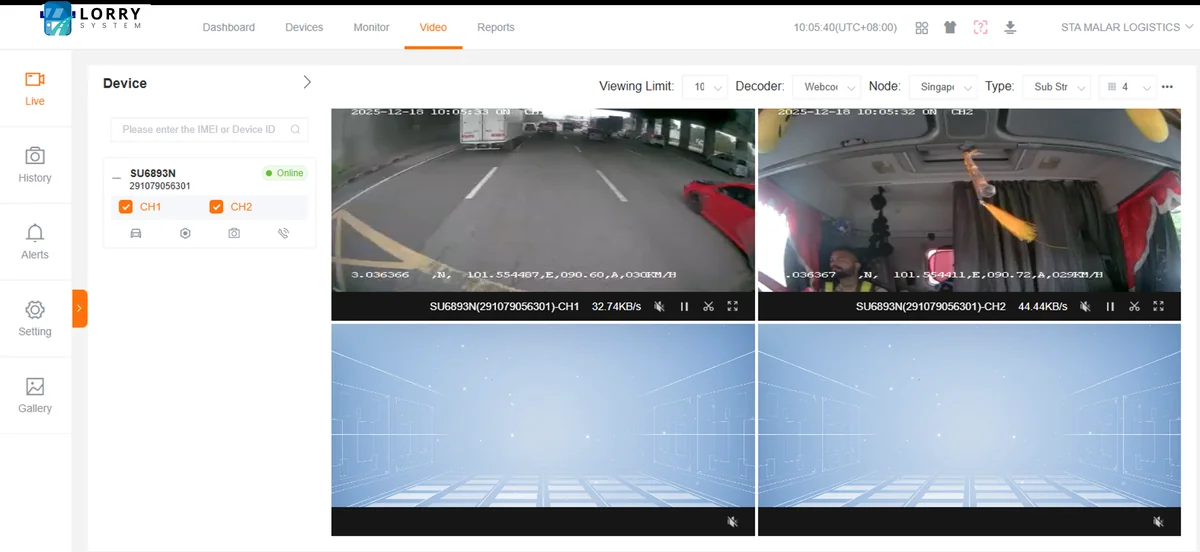
Malaysia’s commercial transport sector is undergoing a digital transformation. At the centre of this shift is the Agensi Pengangkutan Awam Darat (APAD) and its Industry Code of Practice (ICOP) Code 13, which sets out telematics and safety requirements for commercial vehicles.
For fleet operators, compliance is no longer optional — it is a competitive advantage. In this guide, we break down what ICOP Code 13 means and how the right technology makes compliance straightforward.
What Is APAD ICOP Code 13?
ICOP Code 13 is part of APAD’s broader framework to improve road safety, operational accountability, and data transparency for commercial vehicle operators in Malaysia. It requires operators to equip their fleets with approved telematics systems that can record and transmit critical vehicle and driver data in real time.
The goal is simple: reduce accidents, improve driver behaviour, and give regulators the data they need to enforce standards fairly.
Key ICOP Code 13 Requirements
While the full technical specification should be verified against the latest APAD release, the core requirements typically include:
- Real-time GPS tracking of vehicle location and journey history.
- Speed monitoring and recording of speed-limit violations.
- Driver behaviour monitoring, including harsh braking, rapid acceleration, and cornering events.
- AI-powered video evidence for incident investigation and regulatory compliance.
- Secure data storage with controlled access and retention policies.
- Tamper-resistant installation of approved GPS retranslator devices.
How Technology Helps You Comply
Modern fleet safety platforms combine several technologies into one integrated system:
1. GPS Telematics
A reliable GPS tracker gives you live location, route history, geofencing, and speed data — the foundation of ICOP Code 13 compliance.
2. AI Dashcam with ADAS
Advanced Driver Assistance Systems (ADAS) provide forward collision warnings, lane departure alerts, and pedestrian detection. These features not only prevent accidents but also generate timestamped video evidence when incidents occur.
3. Driver Monitoring System (DMS)
DMS detects fatigue, distraction, phone usage, and smoking. By addressing risky behaviour in real time, you create a safer driving culture and reduce preventable incidents.
4. Cloud-Based Fleet Management
A cloud platform centralises tracking data, video events, driver scores, and maintenance records. This makes audit preparation faster and gives managers a single source of truth.
Business Benefits Beyond Compliance
Meeting ICOP Code 13 requirements delivers more than regulatory peace of mind:
- Lower accident rates and associated repair, medical, and insurance costs.
- Improved driver retention through fair, data-driven coaching.
- Faster incident investigation with video and telemetry evidence.
- Better insurance terms by demonstrating proactive risk management.
- Enhanced customer trust when you can prove safe, accountable operations.
Getting Started
Compliance does not have to be complicated. Start with a fleet audit to identify gaps in tracking, video coverage, and data management. Then choose a platform that integrates GPS, ADAS, DMS, and cloud fleet management in one place.
At Lorry System, our platform is built APAD ICOP-aligned by design. We provide SIRIM- and MIROS-certified AI dashcams, APAD-approved GPS retranslator integration, and a cloud TMS that keeps your data organised and accessible.
Learn more about our Transport Management System or book a free fleet safety consultation to see how we can help you meet ICOP Code 13 with confidence.